JOYDD BLOG
Blog

Buying Guides
Souvenir Vending Machine: A Complete Guide for Attractions & Venues
Learn how to choose a souvenir vending machine for tourist attractions, theme parks, museums, FECs and retail venues, including products, placement, customization and operations.
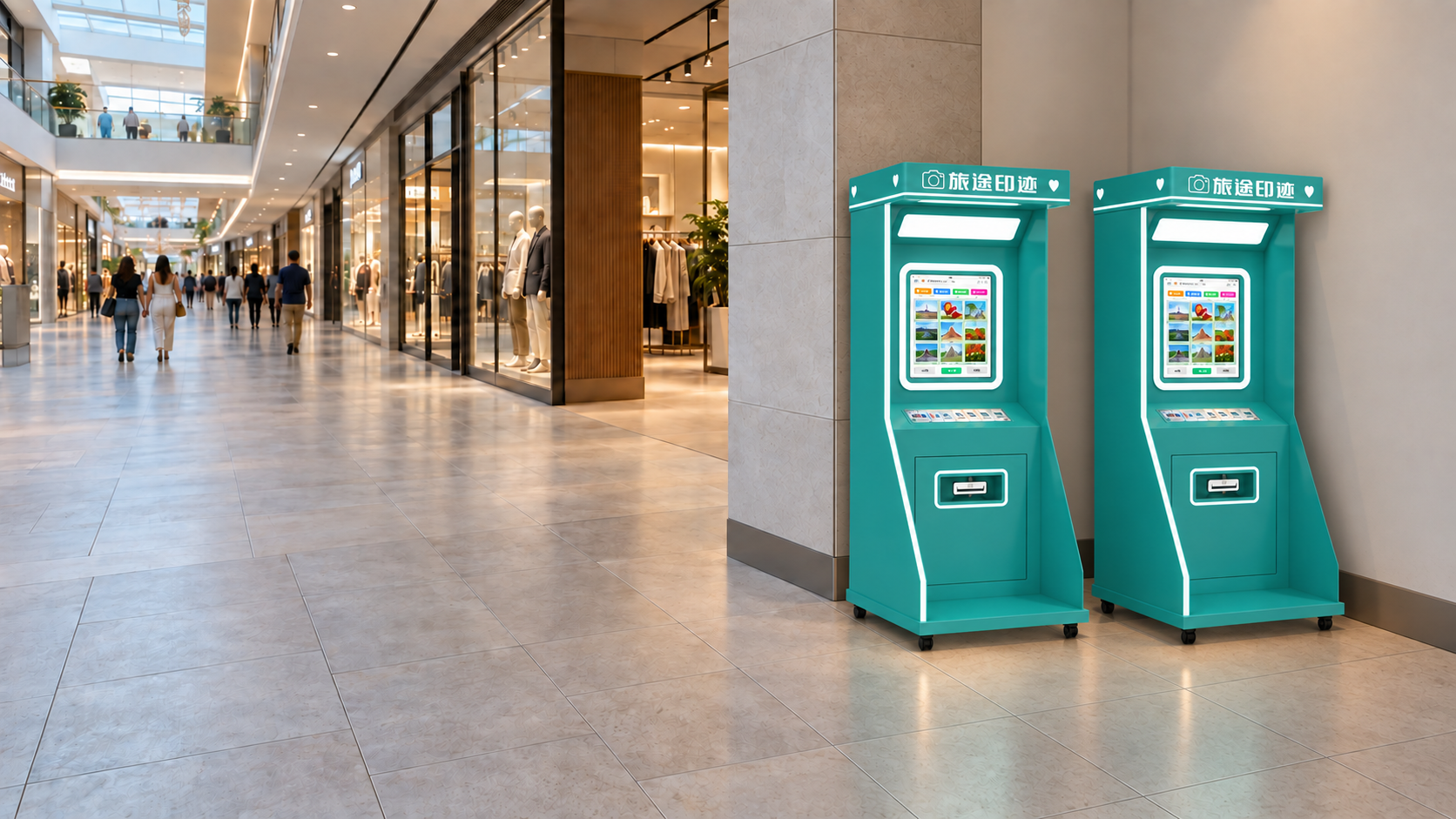
For tourist attractions, museums, theme parks, family entertainment centers, and shopping malls, souvenir sales no longer have to depend entirely on traditional gift shops.
More venues are introducing souvenir vending machines that allow visitors to choose, personalize, pay for, and receive a keepsake on site. Unlike conventional vending machines, modern souvenir kiosks can combine photography, customization, printing, production, and payment into a single self-service experience.
So, what types of venues are suitable for souvenir vending machines? Which machine should you choose for different products and audiences? And what should you confirm before placing an order?
This guide explains the key factors from the perspective of venue type, souvenir format, visitor experience, machine configuration, and day-to-day operation.
What Is a Souvenir Vending Machine?
A souvenir vending machine is a self-service retail kiosk designed for visitors and consumers who want to purchase a keepsake without relying on a staffed counter.
Depending on the machine, visitors may be able to:
- Choose a souvenir style or product option
- Take a photo or upload one from a mobile phone
- Select a destination, attraction, city, or branded template
- Add a name, date, message, or graphic
- Personalize the final design
- Complete payment through the kiosk
- Collect the finished souvenir on site
This means the machine is not only a retail unit. It can also become part of the visitor experience itself.
For example, after visiting an observation deck, a traveler could upload a photo taken during the visit, combine it with a local landmark template, and create a personalized photo magnet before leaving. For the visitor, it is a keepsake. For the operator, it is an additional self-service retail touchpoint connected directly to the visitor journey.
Why Are More Venues Using Souvenir Vending Machines?
1. Turning a Visit Into a Physical Keepsake
Traditional souvenirs are usually produced in advance and sold as standardized items, such as magnets, postcards, keychains, badges, plush toys, or printed gifts.
Personalized souvenir kiosks add another layer by allowing visitors to include their own photo, name, date, message, or other content. Instead of buying the same item as everyone else, the visitor leaves with something connected to a specific moment or experience.
That sense of personal participation is difficult to create with ordinary shelf merchandise.
2. Creating New Retail Touchpoints
Large attractions, theme parks, and commercial venues often have multiple high-traffic locations, including:
- Entrances and exits
- Queue areas
- Observation areas
- Visitor centers
- Food and beverage zones
- Game and entertainment areas
- Areas outside gift shops
- Shopping mall atriums
- Event spaces
Not every location is suitable for a full retail store. A self-service souvenir kiosk can create an additional sales point in a relatively small footprint and can be tested in different parts of a venue.
3. Reducing Some Manual Steps
Traditional personalized souvenir services often require staff to handle photography, design selection, payment, and production.
When these steps are integrated into one machine, visitors can complete the process themselves: choose, personalize, pay, produce, and collect.
Operators can then focus more on consumable replenishment, routine inspection, cleaning, and maintenance. For venues that want to add personalized merchandise without building a complicated staffed counter process, this can be a practical operating model.
Common Types of Souvenir Vending Machines
"Souvenir vending machine" does not refer to only one type of equipment. The right machine depends largely on the physical product visitors will receive.
1. Photo Magnet Kiosks
A photo magnet kiosk is one of the most straightforward forms of personalized souvenir vending.
Visitors can take a photo at the kiosk or upload an image from their phone, select a destination, city, attraction, IP, or themed template, and create a physical photo magnet.
This type of machine is especially suitable for:
- Tourist attractions
- Museums
- Observation decks
- Theme parks
- Zoos
- Aquariums
- City landmarks
- Visitor centers
Magnets are compact, easy to carry, and already strongly associated with travel souvenirs, which makes them well suited to on-site personalization.
2. Personalized Newspaper Photo Kiosks
A newspaper photo kiosk turns a visitor photo into a personalized newspaper-style front page and prints it as a physical souvenir.
Templates can be designed around themes such as:
- A city or destination
- A tourist attraction
- A historical period
- A movie or entertainment theme
- A holiday or seasonal event
- A branded activation
Compared with a standard photo booth, this format adds a stronger sense of story and context. A historic attraction might use a vintage newspaper layout, while a branded event could create a limited-edition front page featuring the visitor.
That makes newspaper photo kiosks suitable for both permanent attractions and short-term events.
3. DIY Personalized Printing Kiosks
For operators that want to offer a broader range of personalized products, a DIY printing kiosk can support on-site customization across different souvenir formats.
Depending on the machine and consumables, possible products may include:
- Photo magnets
- Badges
- Small souvenir plaques
- Decorative items
- Other products suitable for on-demand printing or UV production
The advantage is greater flexibility in product selection and creative design. However, operators should confirm production time, consumable requirements, inventory capacity, and how easily the machine can switch between products.
4. Laser Engraving Souvenir Kiosks
For venues that want a souvenir with a stronger sense of permanence or collectability, laser engraving kiosks can be another option.
Visitors may be able to personalize items with:
- Names
- Dates
- Short messages
- Attraction graphics
- Destination-specific content
These machines can work well in cultural attractions, heritage sites, tourist destinations, and other locations where local symbols or collectible items are part of the visitor experience.
Which Venues Are Suitable for Souvenir Vending Machines?
Tourist Attractions and Cultural Venues
Tourist attractions and cultural venues are among the most natural environments for souvenir vending because visitors already have a reason to remember the destination.
Typical locations include:
- Scenic attractions
- Museums
- City landmarks
- Historic districts
- Observation decks
- Zoos and aquariums
- Visitor centers
In these environments, the best results usually come from making the kiosk feel specific to the venue rather than placing a generic machine on site. The exterior design, user interface, templates, and final souvenir can all reflect the destination or local culture.
Theme Parks and Family Entertainment Centers
Theme parks and family entertainment centers already provide a memorable experience, so a souvenir kiosk can extend that experience after the activity itself ends.
For example, a family could finish a ride or game and then create a family photo magnet, a themed newspaper, a character souvenir, or another personalized photo product.
In this case, the kiosk is not only a retail machine. It can become the final step in the entertainment journey.
Shopping Malls
The logic is slightly different in shopping malls. Shoppers do not necessarily arrive with the intention of buying a travel souvenir, so the machine itself needs to attract attention and create a reason to stop.
Machines that work well in shopping centers often include a strong visual or interactive element, such as:
- Photo experiences
- DIY personalization
- AI interaction
- Personalized gifts
- Seasonal or limited-edition products
A well-designed interactive kiosk can turn passing traffic into dwell time, interaction, and eventually a purchase.
Trade Shows, Festivals, and Brand Activations
Souvenir vending machines can also be used for temporary events such as:
- Trade shows
- Music festivals
- Sports events
- Brand pop-ups
- Seasonal festivals
- Corporate events
In these cases, long-term retail revenue may not be the only goal. The machine can also function as an interactive brand installation, allowing visitors to create a physical souvenir that combines event content, brand elements, and their own photo or message.
How to Choose the Right Souvenir Vending Machine
Before asking, "Which machine is the best?" it is more useful to answer a few project-specific questions first.
1. Who Are Your Visitors?
Start with the people who will actually use the machine.
Families may prefer simple operation and group-photo experiences. Younger visitors may be more interested in photography, DIY customization, and shareable products. International visitors may require multilingual interfaces and specific payment options.
Different visitor groups can require very different interaction flows and souvenir formats.
2. What Should the Visitor Take Home?
This is one of the most important questions. Choose the final product first, then choose the machine.
For example:
- For travel magnets, a photo magnet kiosk may be the most direct option.
- For a stronger photography and storytelling experience, consider a newspaper photo kiosk.
- For multiple customizable souvenir formats, consider a DIY printing kiosk.
- For a more collectible or permanent product, an engraving kiosk may be appropriate.
Do not select a product simply because a machine is available. Work backward from what visitors are likely to value and take home.
3. Where Will the Machine Be Placed?
Location can have a major impact on usage. Important factors include:
- Daily foot traffic
- Average visitor dwell time
- Visibility of the kiosk
- Available queuing space
- Distance from the exit
- Proximity to a gift shop
- Power and network availability
- Ease of access for maintenance staff
For souvenir products, the period immediately before visitors leave a venue is often worth testing. At that point, they have already completed the experience and may be more receptive to taking something home to remember it.
4. How Long Does One Transaction Take?
More customization is not always better if it makes the process too slow.
In high-traffic environments, a long interaction or production time can create queues and reduce throughput. Operators need to balance:
Personalization level x interaction time x production speed
Visitors should quickly understand four things: what they can make, what they will receive, how much it costs, and how long it takes.
If those questions are not clear within a short time, conversion may suffer.
5. How Much Customization Do You Need?
For attractions and entertainment venues, the strongest projects often treat the kiosk as part of the environment rather than as a standalone machine.
Machine Exterior
The cabinet can incorporate elements such as:
- Venue logos
- Brand colors
- IP or character graphics
- Local cultural elements
- Event visuals
Software Interface
The user interface can be adapted for:
- Brand identity
- User flow
- Language
- Images
- Theme-specific content
Souvenir Templates
Template design is one of the most important parts of a personalized souvenir project.
The same photo magnet machine can feel completely different in two cities simply by changing the landmark graphics, illustrations, IP elements, logos, frames, and seasonal designs.
The hardware may be the same, but the content determines whether the experience truly belongs to the venue.
What Should You Confirm Before Ordering a Souvenir Vending Machine?
Before requesting a quotation, it helps to prepare basic project information so the supplier can recommend a suitable configuration instead of only sending a standard machine price.
Venue Information
- Type of venue
- Indoor or outdoor placement
- Available space
- Expected installation location
Visitor Traffic
Exact numbers are not always necessary, but useful information includes:
- Average daily visitor volume
- Peak and off-peak seasons
- Weekend traffic
- Main visitor demographics
Souvenir Product
Clarify what you want to sell, for example:
- Photo magnets
- Personalized newspapers
- Badges
- DIY products
- Engraved souvenirs
Payment Requirements
Payment needs vary by country, venue, and project. Confirm in advance whether the machine needs to support options such as:
- Bank cards
- Contactless payments
- Mobile payments
- Cash
- Local payment systems
You should also confirm how the payment hardware will integrate with the machine and the vending or production workflow.
Branding and Content
If the machine will be customized for an attraction or brand, prepare materials such as:
- Logo files
- Brand guidelines
- IP assets
- Venue photography
- Landmark graphics
- Template requirements
The clearer the project information, the easier it is for the supplier to recommend a configuration that fits the venue instead of offering a generic quotation.
How to Evaluate Whether a Souvenir Vending Machine Fits Your Project
Do not compare machines on purchase price alone. Consider the complete operating model.
Key evaluation points include:
- Visitor experience: Is the process easy to understand, and is the final product appealing?
- Product fit: Does the souvenir match the reason visitors came to the venue?
- Production speed: How long does each item take to produce?
- Capacity: How many transactions can the machine support before consumables need replenishment?
- Customization: Can the exterior, interface, and templates be adapted to the venue?
- Payment: Does the machine support the payment methods required in the target market?
- Maintenance: Are replenishment, cleaning, and servicing straightforward?
- Software: Can content, prices, and templates be updated efficiently?
- After-sales support: Can the supplier provide technical assistance when needed?
The best machine is not necessarily the one with the most functions. It is the one that best matches your visitors, your venue, your product, and your operating model.
A Good Souvenir Kiosk Is Really About Designing a Visitor Experience
A souvenir vending machine is more than an unattended retail unit.
The strongest projects connect three elements:
Venue experience + visitor participation + physical souvenir
The visitor first has an experience at the attraction, theme park, museum, shopping center, or event. Then the kiosk allows them to take a photo, choose a design, personalize content, or interact with the venue in another way. Finally, that experience becomes a physical object they can take home.
That is why planning a souvenir vending project should go beyond the question, "What can this machine sell?"
It is equally important to ask:
- Why would a visitor stop at the machine?
- Why would they want to interact with it?
- Why is the final product worth taking home?
When all three questions are answered well, a souvenir vending machine can become part of both the visitor experience and the venue's commercial operation.
Planning a Souvenir Vending Project?
Different tourist attractions, theme parks, shopping malls, museums, entertainment venues, and event spaces have different requirements for machine size, souvenir format, payment methods, capacity, and customization.
JOYDD provides interactive vending machines, personalized souvenir kiosks, and project customization for different venue types. Based on your location, visitor profile, and target souvenir product, the machine and configuration can be adapted to fit the project.
If you are planning a project, you can provide the following information:
Venue type + available space + estimated visitor traffic + souvenir product + destination country
With these details, JOYDD can help narrow down the machine options and confirm a suitable configuration for your project.
CONTINUE EXPLORING